
The foundation matters
A table base does more than hold up the top.
In a restaurant, a table base quietly shapes the experience at every seat. It influences where guests place their feet, how easily chairs slide in, how a table meets a booth, and whether the setting feels settled when the dining room is busy. A well-matched base gives the tabletop the support it needs without getting in the way of the people using it.
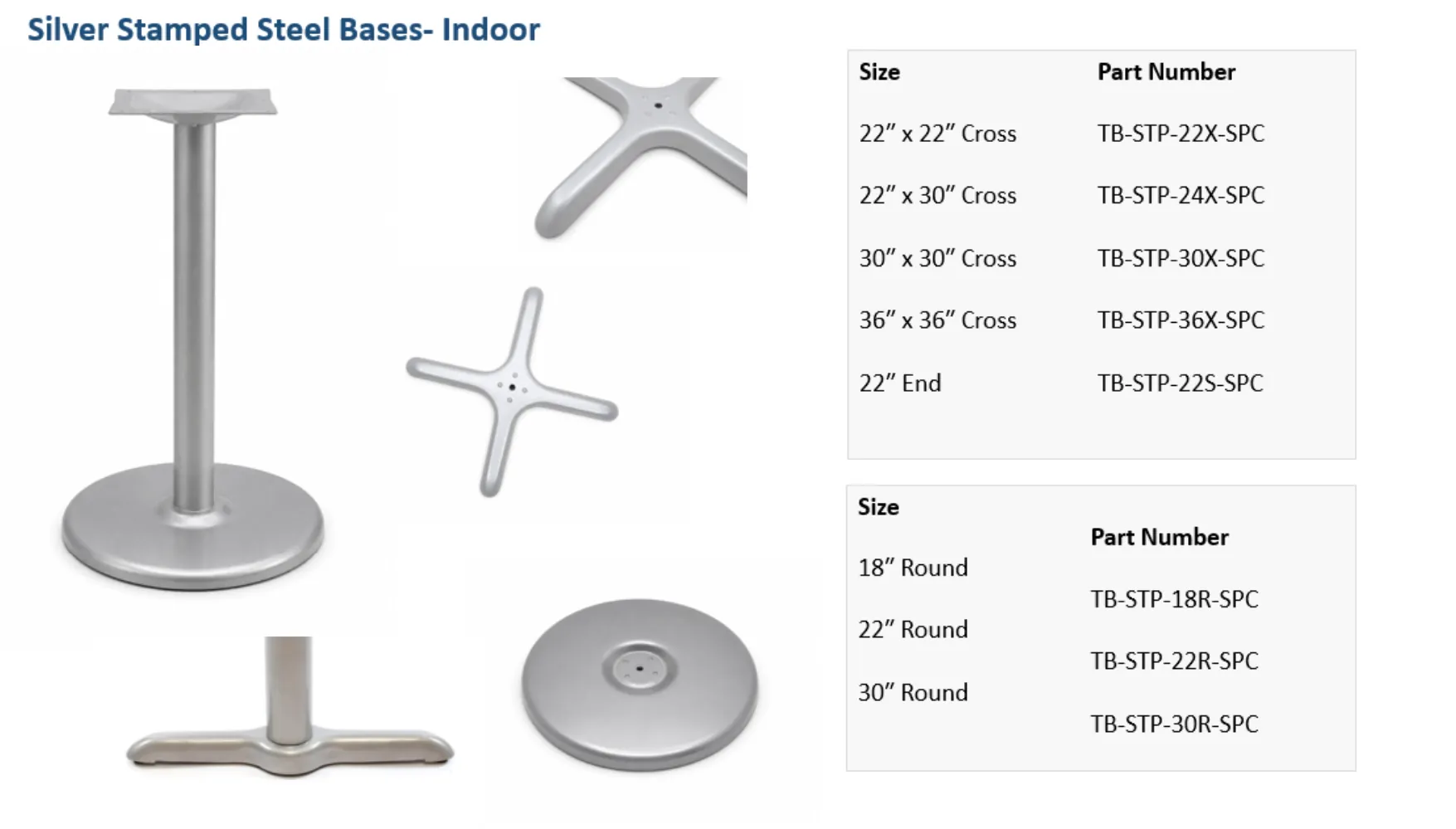
Have a Seat USA offers restaurant table bases for commercial dining rooms, cafes, bars, and hospitality spaces. The available indoor stamped-steel base options include cross, round, and end-base configurations, with black and silver choices that can work with a wide range of table-top and chair combinations.
Whether you are replacing worn table hardware, refreshing a familiar dining room, or furnishing a new service area, choosing the base alongside the top and seating makes the whole purchase more straightforward. It is a practical detail that helps every table feel intentional once the room opens.
That choice also has a practical effect on the work of the room. A table that feels steady and easy to approach helps hosts seat guests with confidence, helps servers move around the setting, and gives a small table the same finished feel as a larger dining group. It is the kind of decision visitors may never name, but they notice it whenever a table feels comfortable rather than cramped.
For a refresh, start by looking at what is already working in the room. The existing top dimensions, chair style, floor plan, and finish palette can all point toward a base that fits naturally. For a new project, use the same details to narrow the available choices before the order is placed.
Discuss your table needs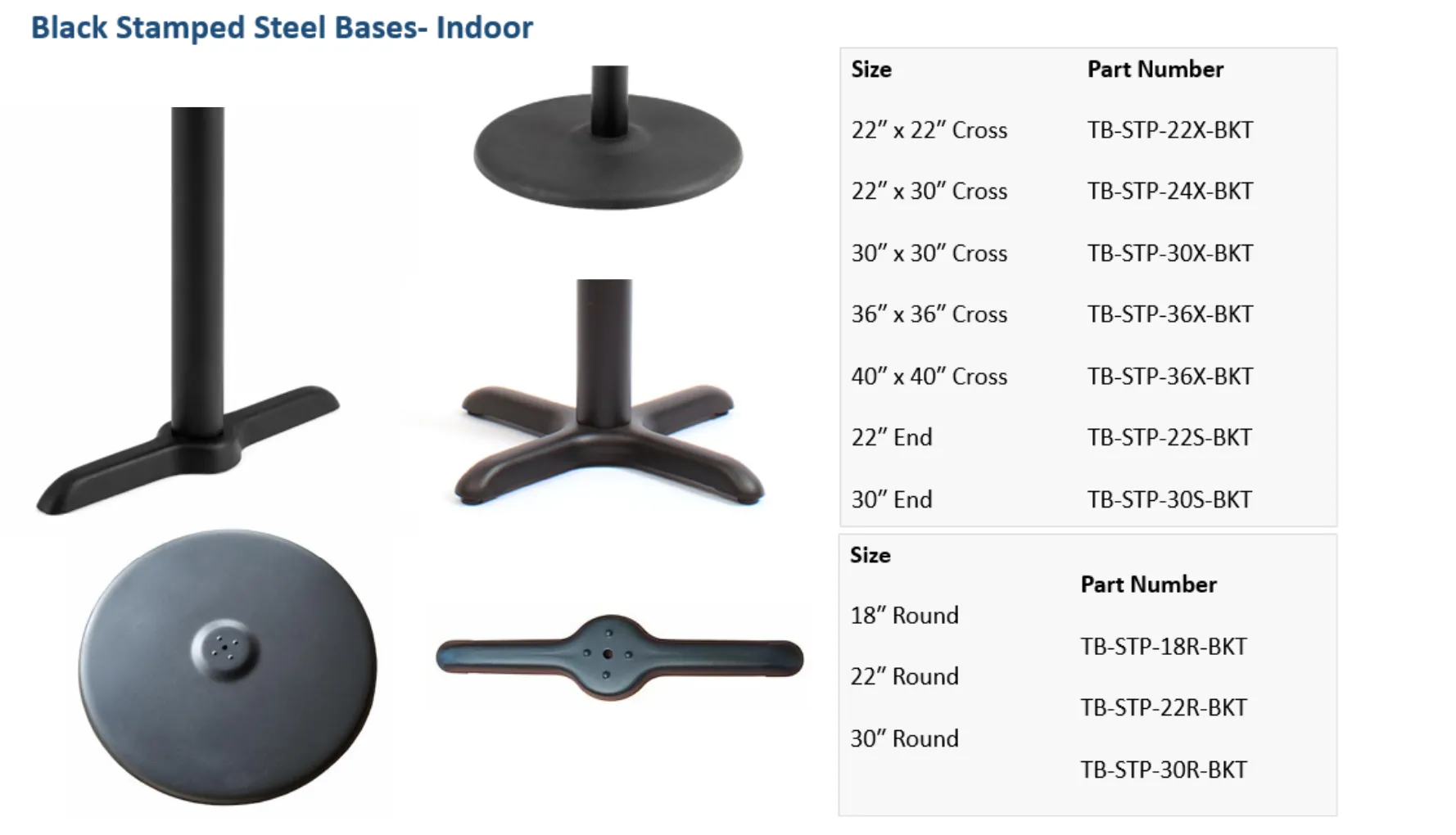
Choose for the seating plan
The right restaurant table base starts with how the table will be used.
A table base cannot be chosen in isolation. A compact two-top, a shared dining table, and a booth table ask different things of the support underneath. The tabletop footprint, table height, seating layout, and path through the room all influence which configuration makes sense.
That is why the most useful starting point is the real dining plan. Consider how many guests sit at the table, where their knees and feet need room, which side guests use to enter, and whether staff need to move close by. Those simple questions help prevent a table from becoming an obstacle after it is installed.
What to consider
Four details that help a table base earn its place.
A good selection process connects the base to the job the table needs to do. These are the practical decisions to review before choosing an available restaurant table base.
Top size and shape
A base should be considered with the tabletop, not after it. Round, square, rectangular, and larger shared tops have different support needs. Starting with the intended top keeps the visual and practical fit in view.
Table height
Dining, counter, bar, lounge, and coffee-table settings each create a different relationship between the base, the top, and the seating. Matching the height to the chair or stool is essential to a comfortable table.
Guest leg room
The support below a table should leave guests room to settle in, cross their legs, and pull a chair close. This matters even more for booth tables and compact dining areas where every inch influences comfort.
Finish direction
Black and silver steel options can both work beautifully in a commercial setting. Let the surrounding chair frames, table surface, lighting, and overall room character guide the final finish choice.
Built around the room
Make the base part of a complete dining setting.
Restaurant tables work best when the tabletop, base, and seating have been considered as one setting. A durable table top needs a base that suits its footprint. A chair needs enough room to approach the table naturally. Booth seating needs a table position that keeps the entry and the meal comfortable for everyone at the table.
Have a Seat USA makes it easier to bring those choices together. The available base options can be reviewed with commercial table tops, chairs, and other off-the-shelf seating so the project moves forward from real choices, not a collection of disconnected parts.
Bring the useful details
A clear brief makes table-base selection easier.
You do not need every final decision in hand before comparing bases. A few practical details will make the first conversation more useful and keep the selection connected to the room you are furnishing.
- Map the tables.Start with the number of tables, their planned sizes and shapes, and the spaces where they will sit, including any booths, banquettes, or communal tables.
- Identify seating height.Note whether the table is for standard dining chairs, counter seating, bar stools, lounge seating, or another use. The table, base, and seating need to work as a set.
- Review the traffic.Think about guest entry, aisle clearance, service routes, and cleaning access. The more closely a table sits to other furniture, the more that base placement matters.
- Set the finish direction.Share tabletop materials, chair-frame finishes, and a few room references. That gives the black or silver base choice a clear place in the overall design.
Available options
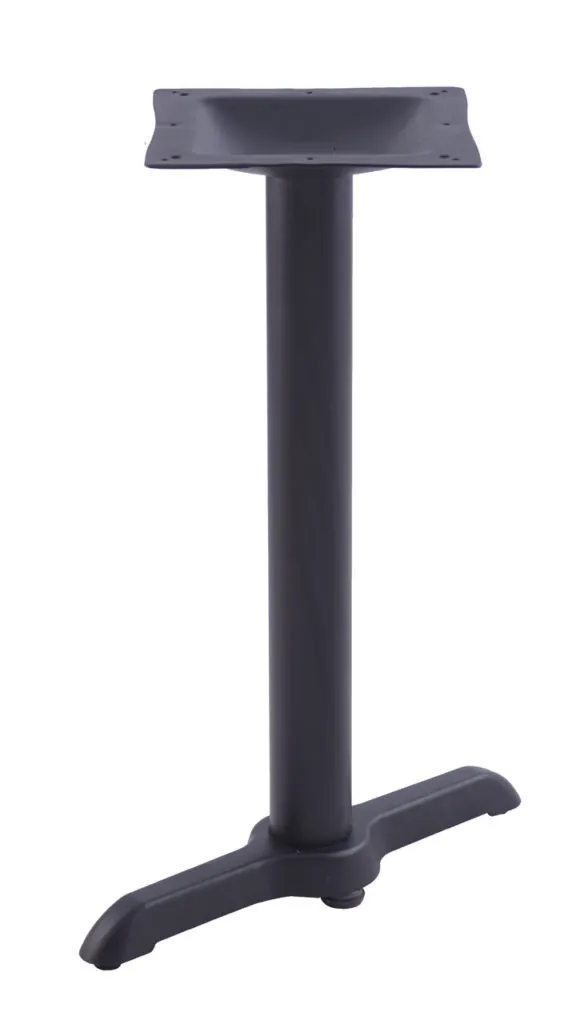
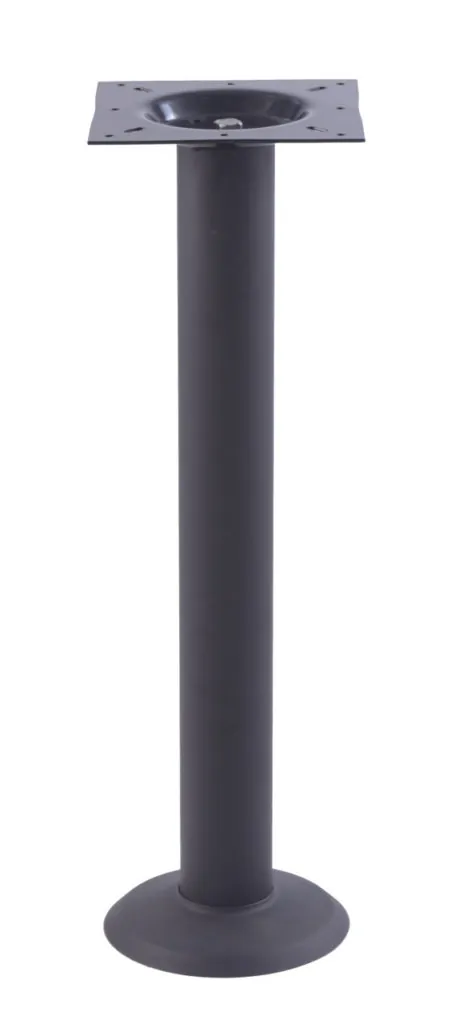
Restaurant table base options

Set the table up right
Choose table bases that support the whole room.
The best base is the one that lets guests focus on the meal, not the furniture beneath it. Explore the available restaurant table base options, then bring the room plan to Have a Seat USA for help pairing them with the right tops and seating.
Talk through your projectFrequently Asked Questions
What should I match a restaurant table base to?
Start with the top size, shape, and material, then consider the table height and the way guests will use the table. A base needs to support the top appropriately while leaving comfortable leg room and a usable place for chairs or booth seating.
What base shapes are available?
Have a Seat USA offers indoor stamped-steel base options in cross, round, and end-base configurations, along with columns in black and silver. The right shape depends on the tabletop and the way the table meets the seating around it.
Can restaurant table bases work with booth seating?
Yes. A base is especially important where a table meets a booth because it affects guest entry, leg room, and the way the table feels once people are seated. An end-base or other appropriate configuration can make the booth-and-table relationship more practical.
How do I choose between black and silver table bases?
Both can give a restaurant table a clean, commercial-ready foundation. The best choice usually follows the room’s wider finish direction, including chair frames, lighting, hardware, and the tabletop surface.
Can I get help matching bases, table tops, and chairs?
Yes. Bring the tabletop sizes, seating plan, and finish direction to the conversation. Have a Seat USA can help you compare available bases alongside commercial table tops and chairs so the dining setting works together.