
Give the bar a working rhythm
Commercial bar stools should feel right from the first seat to the last.
A bar stool does more than fill a line at the counter. It sets the pace of a bar, high-top area, or hospitality space. Guests notice how easily they approach the seat, settle in, reach the surface in front of them, and move on when the room is busy. The right stools make those moments feel natural while giving the space a clear, deliberate character.
Have a Seat USA offers ready-to-order commercial bar stools for restaurants, bars, cafes, and hospitality spaces. The available range gives a project useful choices in back style, frame direction, and seat character, without turning a practical furniture decision into a made-to-order detour. Start with the counter or table plan, then narrow the stools that support the way the room will be used.
That approach keeps the decision grounded in daily service. A stool needs to work with the height of the bar or table, the distance between seats, the guest route behind them, and the materials already shaping the room. A line that looks composed during a walkthrough should remain comfortable when the counter is full and staff are moving through service.
Whether the goal is a long bar, a row of high-tops, a casual counter, or a mixed dining room, a clear seating direction helps every part of the space feel connected. The strongest result comes from choosing stools as part of the whole setting, not as a final purchase added after the rest of the room is decided.
Discuss your bar seatingChoose the seat character
Let the stool support the experience you want at the bar.
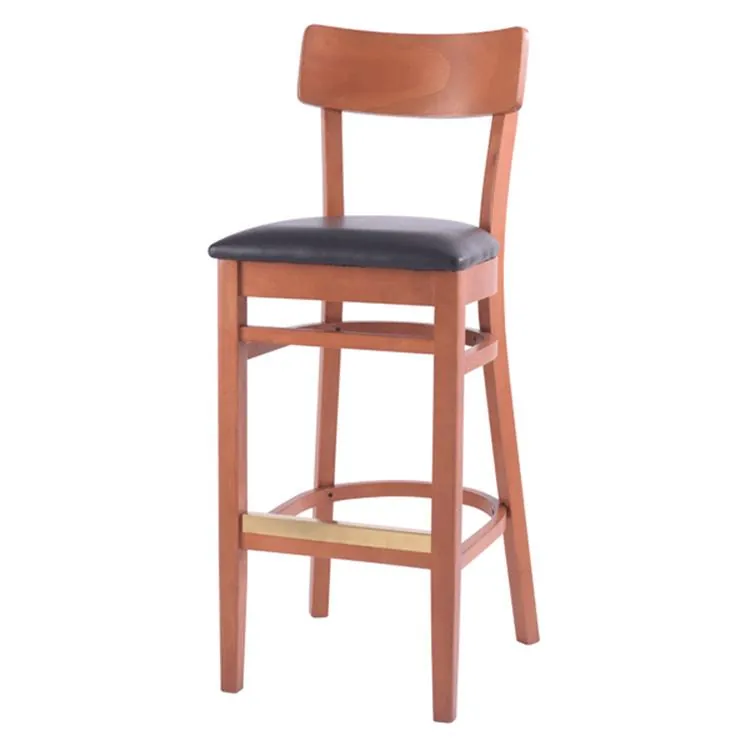
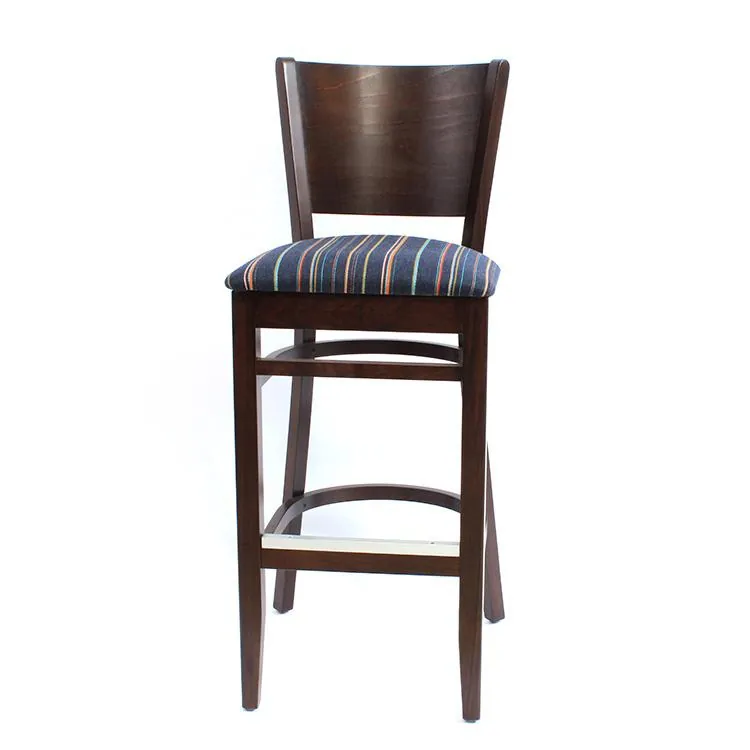
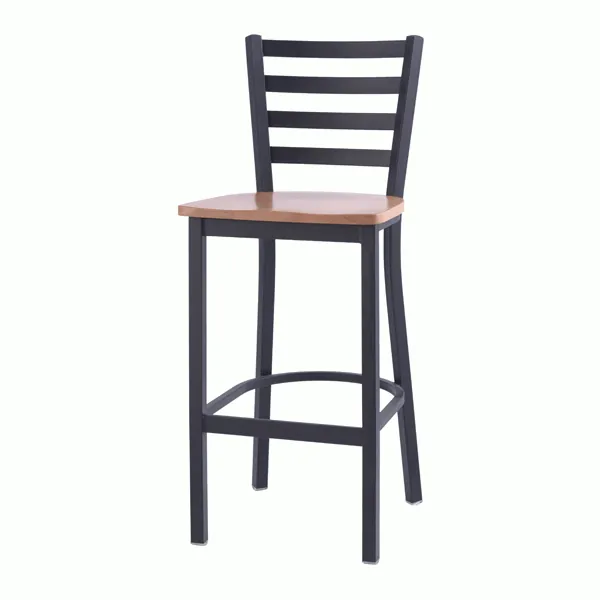
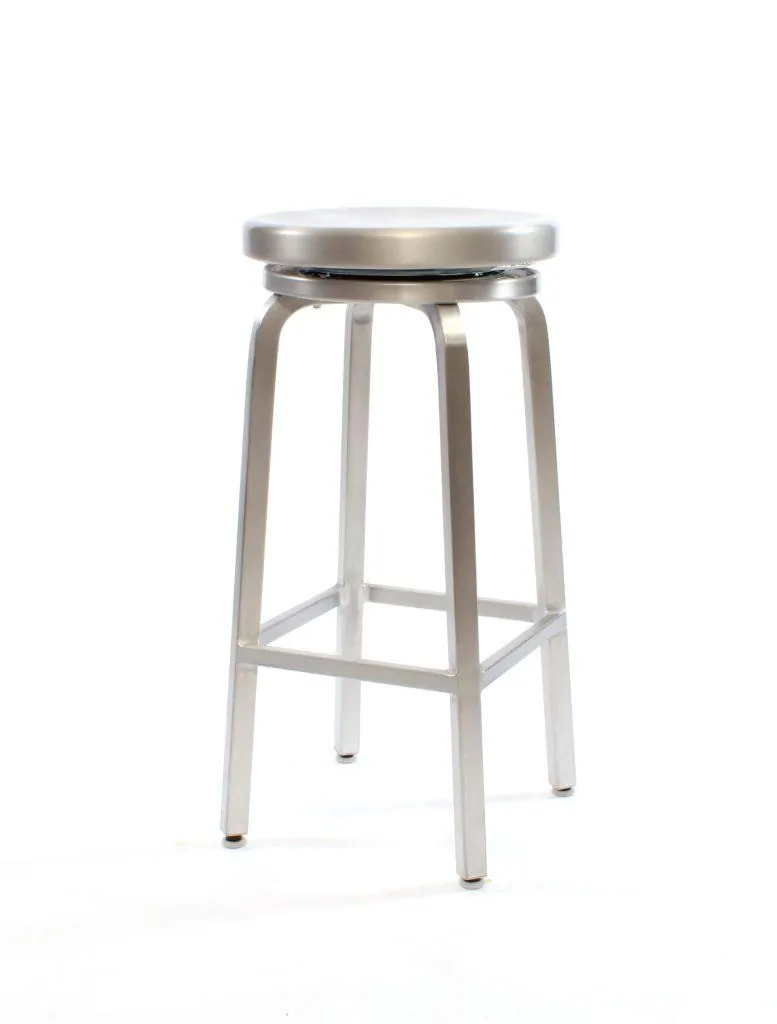
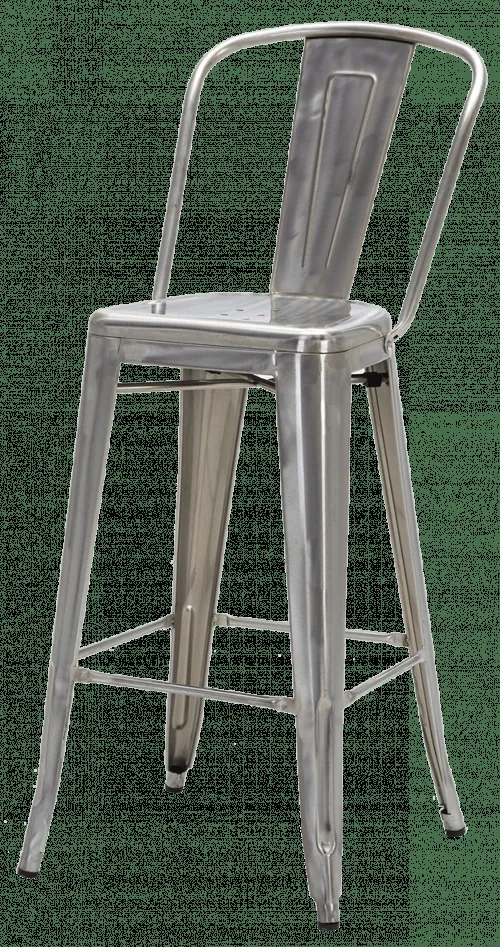
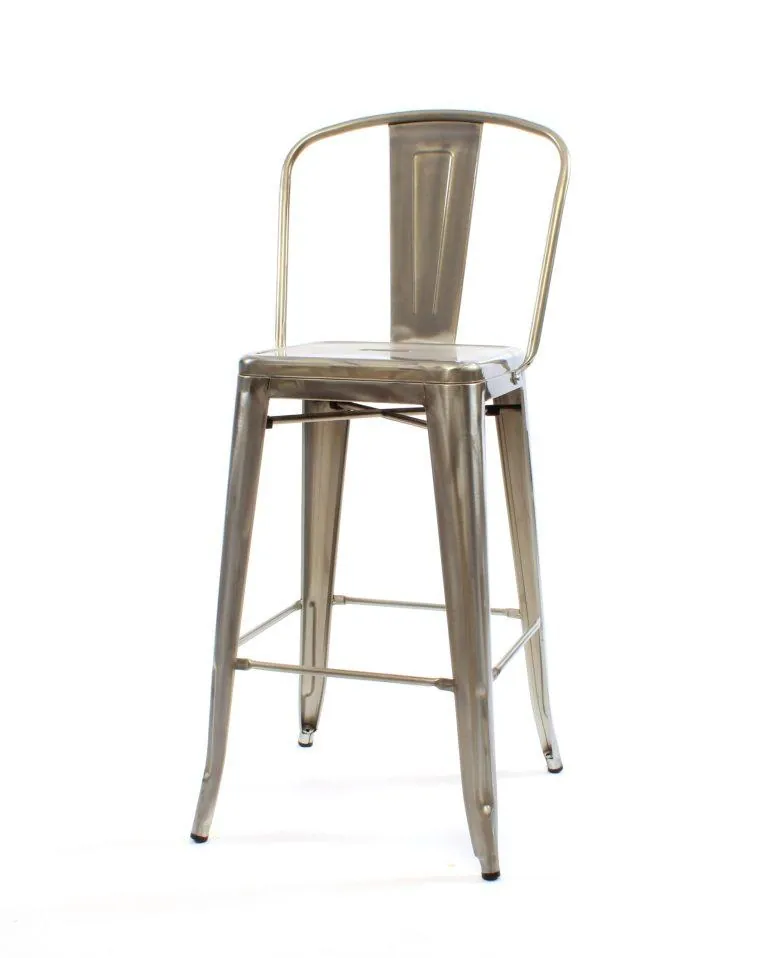
The stool shape changes how the bar reads and how guests use it. A back gives the seating a stronger presence and more support. A backless stool keeps the line clean and open. Upholstered, wood, and metal directions each bring a different texture to a restaurant or hospitality setting. The useful choice is the one that works with the counter, the room, and the intended stay.
Plan around real use
Four checks help commercial bar stools work harder.
The stool is one part of a complete bar or high-top setting. Reviewing these conditions before choosing the pieces helps the finished space feel comfortable for guests and practical for the people serving, cleaning, and moving through it.
Counter or table height
Begin with the finished height of the bar, counter, or high-top table. The relationship between the seat and the surface shapes how comfortably guests can eat, drink, talk, and get in and out of the stool. Review the stool with the actual setting instead of selecting height in isolation.
Seat spacing
Map the full run, including the end conditions, columns, corners, and any adjacent service point. Each stool needs enough room for guests to sit down and stand up without turning a shared counter into a bottleneck. A good line feels generous even when the room is active.
Back and seat direction
Consider how long guests are likely to stay and what role the seating plays in the room. A stool with a back can make a dining-height or longer-stay position feel more established. A backless profile can help keep a compact bar or high-top zone visually open.
Traffic behind the seat
Trace the route behind occupied stools for servers, guests, cleaning, and the ordinary movement of a busy shift. The space around a stool matters as much as the stool itself. Protecting that path helps the counter feel inviting instead of squeezed into the room.
Coordinate the whole room
Pair commercial bar stools with the tables, bases, chairs, and booths around them.
A bar-height seat belongs to a larger hospitality setting. Table tops create the surfaces guests use. Bases shape the clearance beneath high-tops. Chairs and booths give other parts of the room their own function while carrying compatible materials, proportions, and finishes. Looking at those pieces together keeps the bar from feeling separate from the dining room around it.
That coordination is especially useful in restaurants that mix a central bar, a few high-top tables, booths along the wall, and flexible chair seating elsewhere. The stools can establish a livelier destination while the rest of the room supports different party sizes and pacing. The goal is not for every piece to match exactly. It is for each seat to feel like it belongs in the same place.
It also helps make the first product conversation more productive. Bring the counter or table height, intended seat count, room photos, and finish references. With those details in view, it is easier to compare the available stools alongside the tables, bases, chairs, and booth styles that complete the setting.
Bring a practical brief
A few real details make commercial bar stools easier to select.
You do not need every finish or furnishing decision complete before discussing bar seating. A short, grounded brief gives the available stool choices enough context to be compared as a working hospitality setting.
- Map the seating line.Share the bar, counter, or high-top zone, its approximate length, intended number of seats, and any fixed conditions such as walls, corners, columns, or service stations.
- Confirm finished heights.Bring the height of the counter or table, along with any stools or seating already in the room, so the relationship between seat and surface can be considered early.
- Set the guest experience.Decide whether the seats are meant for a quick drink, a full meal, a casual wait, or longer conversation. That use helps clarify whether a back, upholstery direction, and overall profile belong at the bar.
- Review the room around it.Photos of adjacent booths, chairs, tabletops, lighting, and finishes help identify a stool direction that carries the right character through the room.
- Confirm project details.Include the delivery location and target timing, so the available seating options can be considered alongside the rest of the project schedule.
Available seating
Ready-to-order commercial bar stools
Make every seat count
Choose commercial bar stools that work with the whole room.
The right stools bring comfort, energy, and a clear sense of place to a bar or high-top setting. Explore the available range, then bring the room plan to Have a Seat USA for help coordinating the seating, tables, bases, chairs, and booths around it.
Talk through your projectFrequently Asked Questions
What makes a bar stool right for commercial use?
A commercial bar stool needs to suit the setting it will serve, from the seat style and finish to the height, traffic around it, and the number of stools along the counter. Start with the actual bar or high-top plan, then compare ready-to-order options that belong with the room.
Should I choose a stool with a back?
A back can make a longer stay at the bar feel more supported and gives the room a stronger furniture silhouette. Backless stools keep a counter line visually lighter and can be useful where a compact profile is the priority. The better choice depends on the experience you want guests to have and the space available around each seat.
Can bar stools work with tables as well as a bar?
Yes. Bar-height and counter-height seating can help a restaurant create a mix of dining experiences. Coordinate the stool height with the table or counter, then carry compatible finishes into nearby chairs, booths, table tops, and bases so the room feels connected.
What should I share before choosing commercial bar stools?
A rough plan, the counter or table height, the number of seats needed, photos or finish references, delivery location, and target timing make a useful starting point. Those details help turn a product selection into a seating plan that works in the real room.