Restaurant Planning
Restaurant Booth Upholstery: How to Choose the Right Finish
The right booth upholstery has to look at home in the room, then keep doing its job through the spills, cleaning, turns, and traffic of a real service.
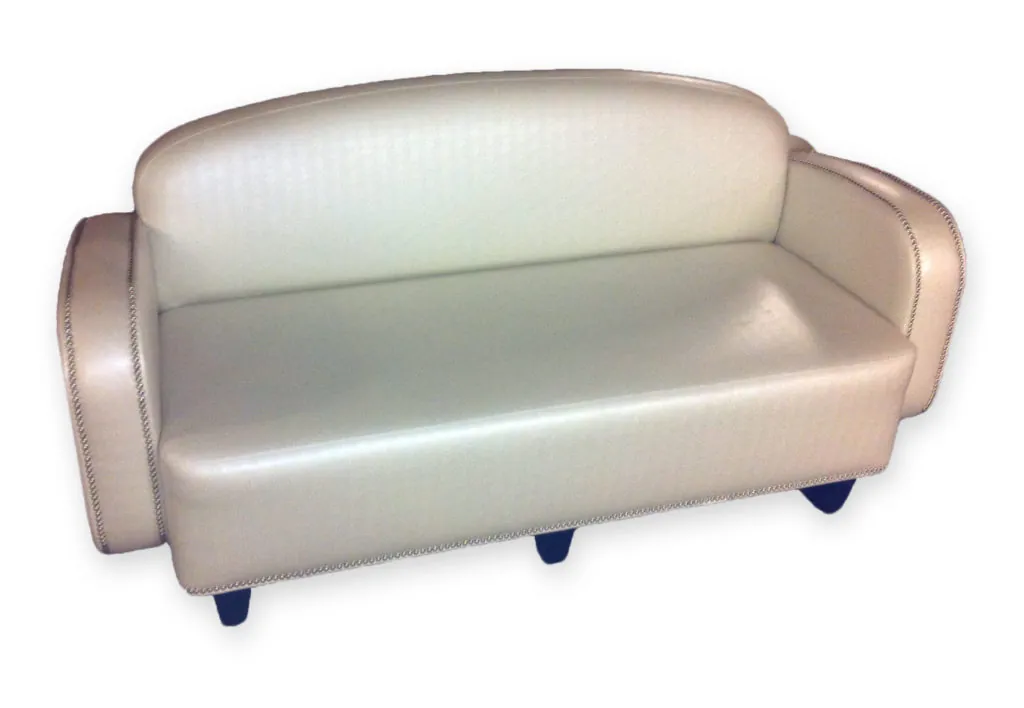
Restaurant booth upholstery is often chosen in the final stretch of a project, when the booth shape is settled and the room needs color. That makes the finish feel like a decorative decision. It is not. The upholstery is the surface diners touch most, the surface a team cleans most often, and one of the largest continuous fields of color in the dining room.
A good choice works on both levels. It supports the mood of the room, gives the seating a clear place in the overall design, and holds up to the way the restaurant actually operates. That means looking beyond a small swatch. Consider how often the booth will be used, what lands on the seat, how it will be cleaned, where it sits in the room, and how its color and texture work beside the tabletop, base, floor, and light.
This guide gives restaurant teams a practical way to choose upholstery for ready-to-order commercial booth seating. It is not a material-specification substitute. A supplier, designer, or project professional should confirm the final product and maintenance requirements. It does make the selection conversation more useful, so the finish serves the restaurant long after opening day.
Start With the Work the Booth Will Do
Before comparing colors, define the booth's job. A booth near the entrance, bar, patio door, family seating area, or service station will encounter a different kind of use from a booth in a quieter dining zone. Some seats will see constant turnover. Others may host longer meals, meetings, or celebrations. The finish should match that pattern, not ask the staff to make up for it.
Think through the ordinary stress points. Seats receive the most sliding, bags, spills, and repeated wiping. Backs may receive less direct wear but still need to keep their shape and present well from across the room. Ends and lower portions of a booth can receive scuffs from foot traffic, cleaning equipment, and adjacent chairs. When these roles are clear, it is easier to decide where one upholstery approach can be repeated and where a more protective detail deserves attention.
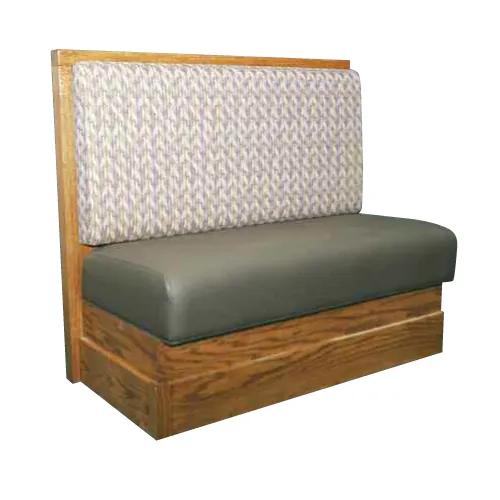
Use the actual booth style in the conversation. The profile, channels, seams, and back height affect both the visual result and the places that need care. The site’s available booth seating gives a starting point for comparing forms before a finish is selected. Pair that with the room plan, not a mood board alone.
Choose for Cleaning and Daily Care, Not Just First Impressions
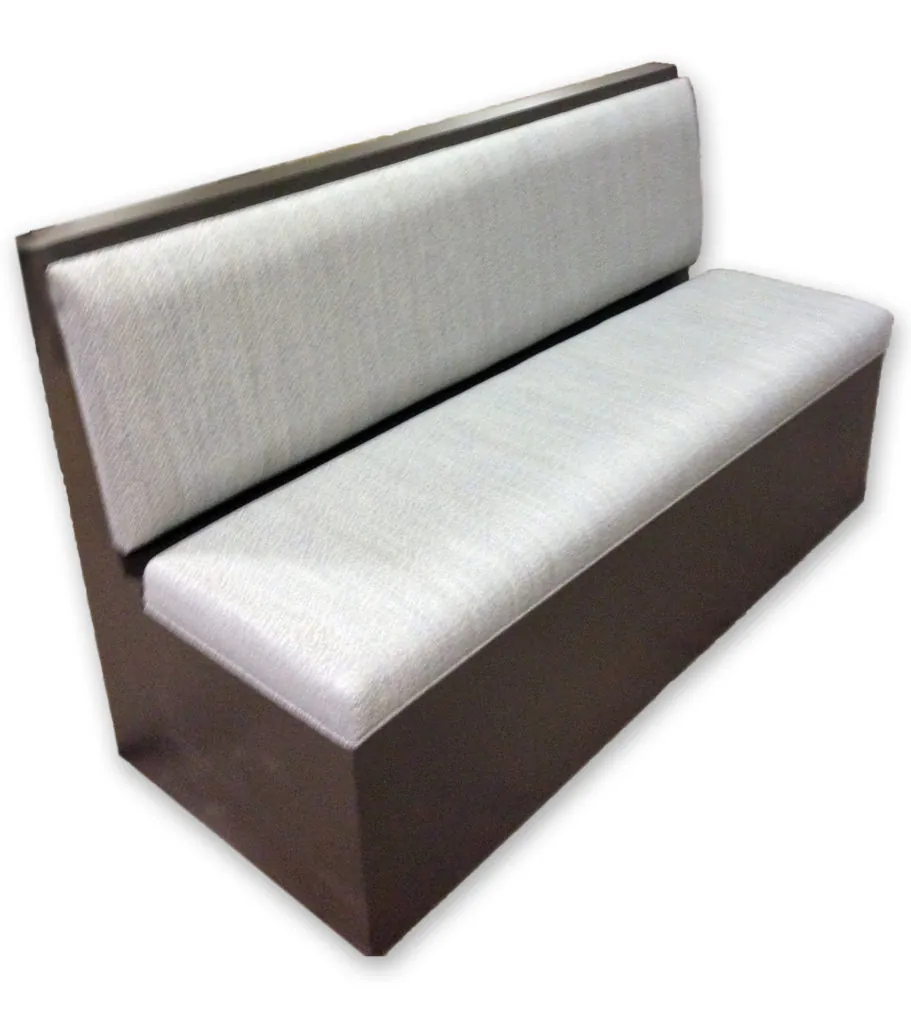
Every restaurant team has a cleaning rhythm. Booth upholstery should fit it. Ask what normally happens after a spill, at table turns, and during closing. Which cleaners are used? Who is responsible for the seating? Is the booth near a station where food, drinks, or high chairs make marks more likely? These questions are practical, but they protect the visual investment in the room.
Commercial vinyl is common in busy dining areas because it gives staff a straightforward surface to wipe as part of normal service. Performance fabrics and other commercial upholstery can create a softer visual or tactile direction, but they need to be considered against the restaurant's care capacity. No finish is maintenance-free. The useful question is whether the proposed material has a care routine the actual team can follow consistently.
Request the care guidance with the material sample, then keep it with the project records. That prevents well-meaning cleaning from becoming a guessing game. Test the proposed cleaning method on an approved sample before the room opens, following the material supplier’s instructions. If the restaurant uses a sanitizer or specialized cleaning product, confirm compatibility directly instead of assuming that a surface that looks durable will tolerate every routine.
Use Color and Texture to Give the Room a Clear Point of View
Booths carry a lot of visual weight. A long wall of upholstered backs can set the room's temperature before a guest notices the artwork or menu. A deep tone can anchor a light room. A lighter tone can help a compact room feel open. Texture can add warmth, while a smooth finish can create a more direct, graphic look. None of those choices is automatically right. They have to support the restaurant’s atmosphere and light.
Bring full-size samples into the actual space whenever possible. Look at them beside the proposed tabletop, base, floor, wall color, and lighting. Morning daylight, evening service light, and the shadow beneath a booth can all change how a finish reads. A color that looks quiet in a small sample may become dominant across an entire banquette. A subtle grain may disappear at a distance but add welcome depth when guests sit down.
Consider how the color will live with everyday marks, not merely whether it hides them. A darker finish can be forgiving in one kind of room, but may show dust, lint, or a pale scratch in another. A very light finish can make a room feel fresh but asks for a disciplined care plan. The decision becomes easier when the team decides which quality matters most for that seating zone: visual calm, contrast, warmth, easy recognition of spills, or a low-maintenance appearance.
Separate the Seat, Back, and Base Decisions When It Helps
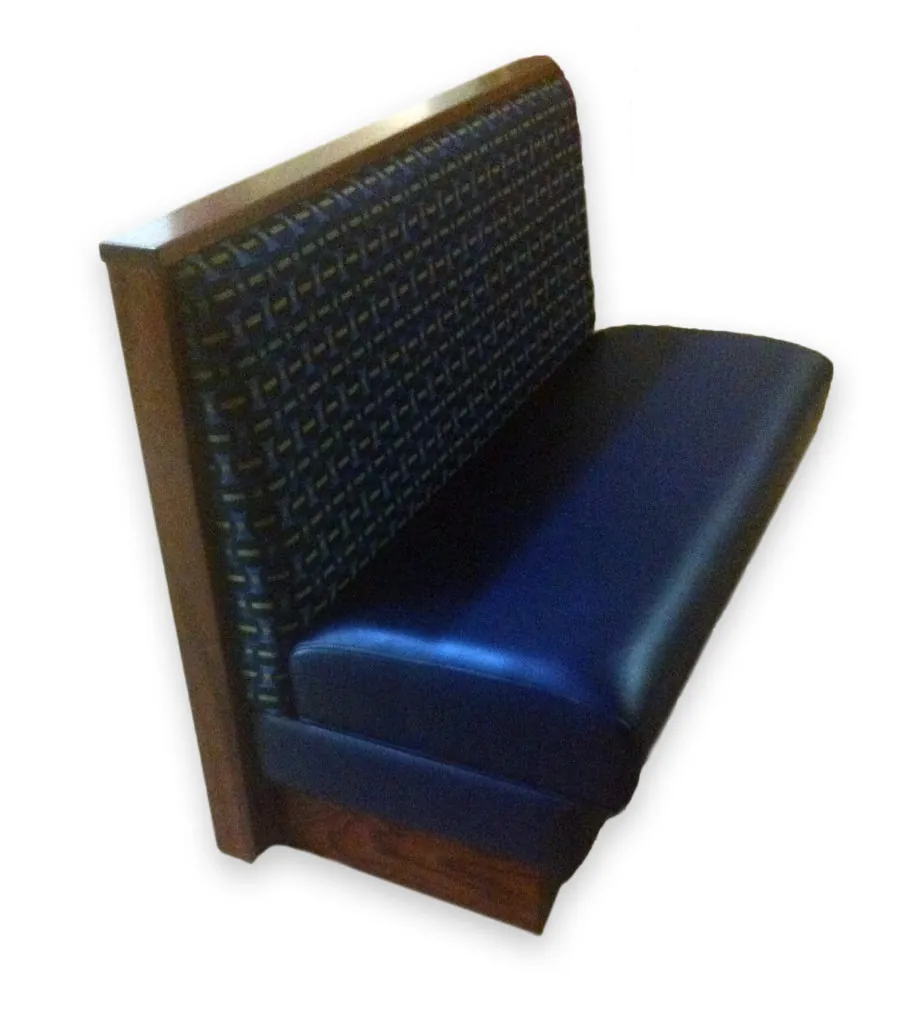
A booth does not have to use one finish everywhere. The seat, back, and lower portions perform different jobs, and a thoughtful combination can make the whole piece easier to live with. For example, a team may want one practical upholstery direction where guests sit and a complementary texture or color on a more visible back. The result can add depth without turning the booth into a collection of unrelated details.
Keep the combination disciplined. Start with one main material direction, then choose an accent only if it supports the architecture of the booth or the room. A contrast panel, welt, or end treatment should reinforce the booth shape, not compete with the tabletops, chairs, and wall finishes. Small details become more noticeable when repeated down a long run of seating.
The lower area deserves its own review. It is closer to shoes, bags, chair legs, and cleaning equipment than the back is. A durable base treatment can protect the portion of the booth that is most likely to be scuffed. Ask the supplier how the selected style handles that edge, then make sure the finish direction still suits the floor and adjacent furniture.
Coordinate Upholstery With the Whole Seating Setting
The booth is only one piece of a working dining setting. Its upholstery should be considered alongside the table surface, base, chairs, service path, and amount of daylight in the room. A heavily textured booth can benefit from a quieter tabletop. A smooth, simple booth can carry more color if the rest of the furniture is restrained. The goal is a room that feels settled, not a collection of individually attractive samples.
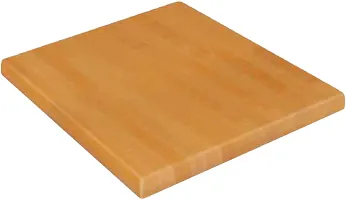
Bring the booth, table, and base into the same review. The restaurant booth table guide explains why the tabletop and support need to work with the finished seat, while the restaurant booth spacing guide helps teams account for guest entry and service routes. Upholstery choices do not change the floor plan, but the final seat thickness, visual weight, and cleaning needs influence how the complete setting feels in use.
Remember the view from outside the booth as well. In an open dining room, the outside back may be a large part of what arriving guests see. In a wall run, it may barely register. Where the booth sits changes where it deserves visual emphasis. Define that view early so the most visible surfaces receive the most deliberate treatment.
Review Samples Like a Restaurant Team
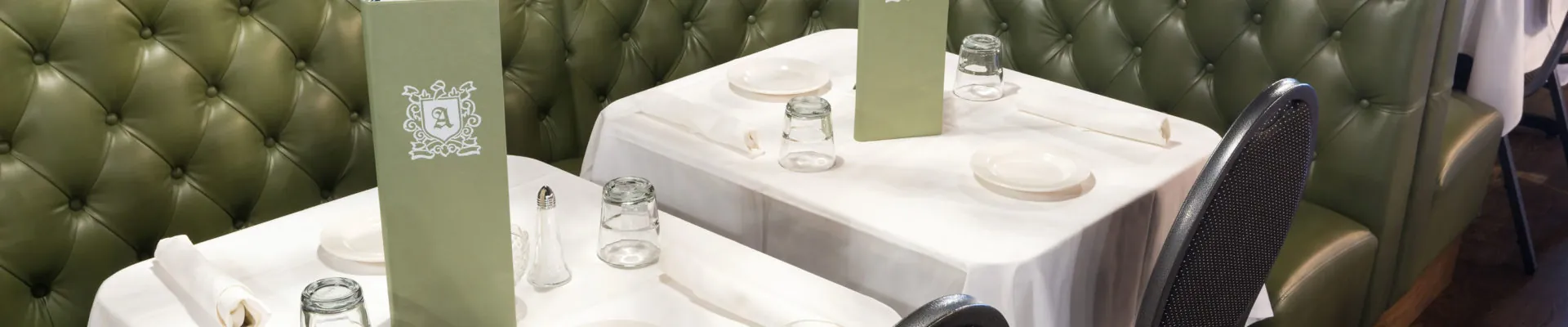
A small material card is useful for narrowing options. It is not enough to approve a full dining room. Ask for a sample large enough to see the color, grain, sheen, and texture in the same way guests will. Set it beside a tabletop sample and the flooring. View it vertically and horizontally, because a finish can read differently on a back than on a seat.
Then add the people who will live with the decision. The design team can judge visual fit. Operations can explain the pace of cleaning, spills, and turns. The person purchasing furniture can confirm the finish is available on the selected ready-to-order booth. A conversation that includes all three viewpoints catches problems before they become an installed condition.
Be specific in the approval. Record the material name, color, finish, and which booth surfaces receive it. Note any contrast details, seams, or base treatments. Keep a physical approved sample if the project allows it. That clarity helps later when a booth needs care, a repair is considered, or the restaurant adds matching seating in the future.
Use This Upholstery Checklist Before Ordering
Before finalizing the booth finish, walk through a short review with the selected seating and the people responsible for both the room and its upkeep.
- Name the traffic level. Identify which booth zones will see the most turns, spills, bags, children, or nearby service activity.
- Match the cleaning plan. Confirm the approved care routine works with the actual staff, cleaners, and time available.
- Review the whole setting. Compare upholstery beside the tabletop, base, floor, walls, and lighting in the real room.
- Check each booth surface. Consider seats, backs, ends, and lower areas according to the wear each will receive.
- See a larger sample. Avoid approving a major field of color from a small card under one kind of light.
- Record the final selection. Keep the material and care details with the project so the finish can be maintained consistently.
This process does not make the selection slower. It makes the decision more complete. Rather than revisiting the booth finish after staff begin fighting marks or cleaning issues, the team chooses with daily use already in view.
Bring the Finish Together With Ready-to-Order Booth Seating
Good restaurant booth upholstery does more than look right in a finished photo. It gives guests a comfortable place to settle in, gives staff a surface they can realistically care for, and gives the whole room a clear sense of purpose. When traffic, cleaning, color, and the complete seating setting are considered together, the final choice has a much better chance of staying right.
Have a Seat USA offers off-the-shelf commercial booth seating, tables, bases, and chairs for hospitality settings. Start with the available pieces, then compare upholstery direction against the way the room will be used. For help narrowing a ready-to-order seating mix, talk with the team about the pieces that fit the project.
Talk through your booth seating planFrequently Asked Questions
What upholstery is best for restaurant booths?
The best upholstery is the one that matches the restaurant's traffic, cleaning routine, and visual direction. A busy dining room usually benefits from an easy-care commercial upholstery, while a quieter or more design-led area may allow a different texture or finish. Review samples against the actual use of the seat, not just the color under showroom lighting.
Should restaurant booth seats and backs use the same upholstery?
They can, but they do not have to. Using one material creates a quiet, unified look. Using a more hard-wearing finish on the seat and a complementary finish on the back can make sense when the seat receives more spills, friction, and repeated cleaning. The combination should still read as one intentional booth.
How do I choose a booth color for a restaurant?
Start with the mood, light, flooring, tabletops, and the amount of everyday wear the seating will see. Ask to view a full-size sample in the room, near the intended table finish. A color that looks rich under a sample light can read differently beside daylight, warm pendant lighting, or a large expanse of flooring.
What should be included in a restaurant booth upholstery review?
Review the planned traffic, cleaning method, seat and back use, color, texture, seams, edge details, and the way the upholstery works with the booth, table, and base. It also helps to decide who will maintain the seating and to keep the approved sample and care guidance with the project records.
Continue planning